Flight Arrives Late at Night: Where to Wait Safely Until Morning [2026 Guide]
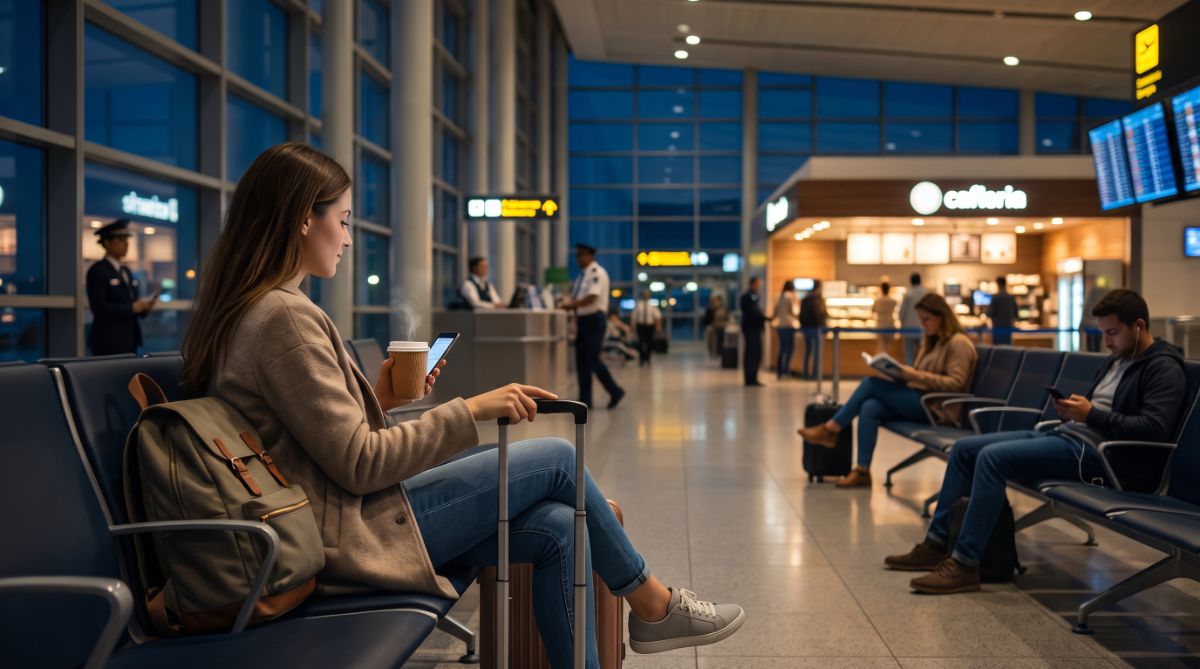
Touching down in an unfamiliar city at two or three in the morning puts any traveler into an awkward logistical bind. Once you clear baggage claim and step through the sliding glass doors into the public arrival hall, the lively energy of daytime travel vanishes. The corridors are dim, retail shops and cafes are shuttered, and only a handful of weary travelers linger on steel benches. Paying for a full hotel night just to sleep for three hours makes little financial sense, while hotel check-in desks rarely grant access before 2:00 PM without expensive early check-in fees. Moreover, city subways, trains, and express buses frequently stop running between midnight and 5:00 or 6:00 AM, making heading into an empty city center in the middle of the night feel daunting.
Waiting inside the terminal until dawn is often the smartest, most budget-conscious move, but dropping your guard on the first vacant bench you spot carries real security risks. While the secure airside departures concourse is protected by mandatory X-ray screening and boarding pass checks, the public arrivals hall (landside) is open to anyone walking in off the street. Navigating this overnight wait safely requires tactical positioning, physical luggage anchoring, and knowing which terminal facilities stay staffed 24/7. This comprehensive 2026 guide breaks down where to position yourself, how to protect your belongings while napping, and how to comfortably bridge the gap until sunrise.
Overnight Airport Waiting Zones: Safety & Comfort Compared
Compare surveillance levels, comfort, and vulnerability risks across standard terminal locations after midnight:
| Terminal Waiting Zone | Security & Safety Level | Comfort Level | Staffing & CCTV Coverage | Operational Verdict |
|---|---|---|---|---|
| Near 24/7 Cafes & Pharmacies | Very High | Medium to High (tables, padded seating, power outlets) | Active counter staff, bright overhead lighting, focused security cameras. | Best Free Public Base. Continuous foot traffic deters opportunistic theft. |
| Upper Mezzanine / Departures Floor | High | Medium (rows of armrest-free or cushioned seats) | Far from street exits; regular patrols by airport security officers. | Recommended. Significantly quieter and more controlled than the ground floor. |
| Near Airport Police Station / Info Desk | Maximum | Low to Medium (standard metal tandem chairs) | Uniformed police officers, airport marshals, or 24h information staff. | Ideal for solo travelers needing visual protection while taking quick naps. |
| Ground-Level Arrivals Curb / Exit Doors | Low / Vulnerable | Low (cold outdoor drafts, vehicle fumes, noise) | Unfiltered flow of street pedestrians, unauthorized touts, and drivers. | Avoid. The highest-risk zone for grab-and-run baggage theft. |
| Landside Sleep Pods / Hourly Cabins (Paid) | Maximum | Excellent (private bed, climate control, lockable door) | Keycard or biometric access with staffed reception desk. | Worth paying for if exhaustion makes staying alert impossible. |
1. The Golden Rule: Move Up to Departures Immediately
The single most frequent mistake arriving passengers make after midnight is collapsing onto the nearest metal chair in the ground-floor arrivals hall right past customs.
- The Street-Level Exposure Problem: Ground-level arrival halls are positioned directly against curbside roadways, taxi ranks, and public parking access. In metropolitan airports, non-travelers and unauthorized transport touts can walk into these public lobbies unnoticed. A sleeping passenger with a phone on their lap or a loose suitcase beside them makes an easy target for quick distraction theft with an immediate street exit.
- Head Up to the Departures / Check-In Concourse: As soon as you collect your baggage, take the elevator or escalator up to the departures floor. The check-in concourse generally features higher ceilings, much brighter ambient lighting, constant janitorial sweeps, active overnight security patrols, and zero direct exposure to street traffic.
2. The Three Best Strategic Spots in the Public Concourse
If you choose not to book an hourly sleeping pod or lounge, position yourself using these three proven visual anchors:
- 1. Within Line of Sight of 24/7 Outlets: Find terminal chains that remain open all night (such as McDonald’s, Starbucks, 24-hour convenience shops, or pharmacies like Boots or WHSmith). Setting up at a table or nearby seating guarantees constant light, active uniformed staff, and overhead high-definition CCTV focused on the cash register. Buying a hot tea, coffee, or bottle of water legitimizes your stay for hours.
- 2. Within 15–20 Yards of Airport Police or Security Posts: Most international terminals house a permanent police station or dedicated private security command point in the main hall. Settling into a row of chairs within direct sight of these desks virtually eliminates opportunistic approaches.
- 3. Solid Backing Walls: Never sit in the middle of wide open corridors where people can walk directly behind your head. Choose seats placed firmly against solid structural columns or exterior walls, keeping your full field of view directed toward all incoming foot traffic.
3. Luggage Anchoring: How to Sleep Solo Without Getting Robbed
Exhaustion from long-haul flights makes deep sleep almost impossible to resist. If you are traveling solo and need to close your eyes, physically anchor your belongings before drifting off:
- The Leg-Through-Strap Technique: Place your primary wheeled suitcase flat on the floor against your shins, and loop the shoulder strap of your backpack or laptop bag firmly around your arm or leg. Any sudden movement or tug on the bag will instantly jar you awake.
- Keep Zippers Pressed Against Your Body: Never leave external pockets holding your passport, wallet, or smartphone facing out toward the aisle. Turn all zipper compartments inward against your back, the seat cushion, or your torso.
- Use a Flexible Cable Lock: Carry an inexpensive steel luggage cable lock (such as a Travel Sentry cable). Thread the cable through the top handle of your suitcases and loop it around the fixed metal frame of the airport chair. Even a simple physical deterrent stops thieves from rolling your bag away while you nap.
4. Paid Low-Cost Rest Solutions Inside the Terminal
When physical exhaustion makes staying alert impossible and you cannot afford a $200 airport hotel room, consider these fractional alternatives:
- Hourly Sleeping Pods (YOTELAIR, Minute Suites, GoSleep, Napcabs): Many major gateways now feature sleep pods in the landside or airside terminals. These self-contained, soundproof cabins offer a twin bed or flat recliner, charging ports, climate control, and Wi-Fi. Booking a 2- to 4-hour block costs a fraction of an overnight hotel stay and provides locked-door security for a restorative sleep.
- Landside Airport Lounges: While most airline lounges operate past security, select airports offer landside arrival lounges accessible via lounge membership programs (such as Priority Pass, DragonPass, or LoungeKey) or walk-up fees. These spaces provide comfortable armchairs, hot showers, and complimentary morning breakfast spreads beginning around 5:00 AM.
- Luggage Storage (Left Luggage Desks): If you want to walk around the terminal, stretch your legs, or eat without dragging heavy suitcases, check your large bags at the terminal’s 24-hour left-luggage desk for a small fee, keeping only your valuables in a compact daypack.
5. Timing Your Morning Departure Safely
Stepping out of the airport at first light completely changes the safety, comfort, and cost of your onward journey:
- The 5:30 to 6:00 AM Turning Point: Around 5:30 AM, urban transit systems come alive. Subways and airport express trains begin standard daytime frequency, morning police shifts deploy along platforms, and commuter foot traffic fills the stations, eliminating the vulnerability of navigating quiet, dark streets.
- Cheaper, Safer Rideshares (Uber / Bolt): Requesting a rideshare vehicle at 6:15 AM often avoids the late-night dynamic surge pricing tied to bar closures, while ensuring you arrive at your destination in broad daylight.
- Hotel Luggage Drop-Off Strategy: While your hotel room may not be ready until 2:00 or 3:00 PM, nearly all hotels and reputable hostels accept guest luggage at the front desk free of charge starting early in the morning. Arriving around 7:00 or 8:00 AM allows you to drop off your bags, use the lobby restroom to freshen up, and head out for breakfast hands-free.
Essential Overnight Terminal Street Smarts
Pack a Dedicated Thermal Layer: Central terminal air-conditioning systems operate at aggressive cooling levels overnight, and polished terrazzo and granite floors radiate intense chill. Always pack a lightweight windbreaker or hoodie, thick socks, and a compact travel scarf in your personal item. Battling low temperatures is the primary cause of overnight physical fatigue in airport terminals.
Switch Headphones to Transparency Mode: Active noise cancellation (ANC) blocks terminal hum, but it also completely blinds you to nearby footsteps, announcements, and approaching individuals. If listening to music or podcasts to pass the hours, keep the volume low and engage “transparency/ambient mode” to stay aware of what is happening around you.
Authoritative Airport Guides & Travel Safety Portals
Check terminal facilities, operating hours, and sleep reviews before departing on your journey:
- Explore crowd-sourced terminal sleep reviews and dedicated rest area maps on Sleeping in Airports (Global Guide to Sleeping in Airports).
- Review terminal facility directories, transit services, and passenger rights via the International Air Transport Association (IATA).
- Check official airport terminal maps and 24-hour service listings on FlightStats Airport Guides & Terminal Information.

Post Comment