Carnival and New Year’s Arrival in Brazil: Airport Crowds, Surge Pricing, and Safety Tips [2026–2027 Guide]
Landing in Brazil during the peak southern hemisphere summer—specifically between late December (Réveillon / New Year’s Eve) and February/March (Carnival)—is an unforgettable sensory experience, yet it represents the single most congested logistical window of the entire year. Whether you touch down at Rio de Janeiro Galeão (GIG), São Paulo Guarulhos (GRU), Salvador (SSA), or Recife (REC), you will immediately encounter packed international arrivals halls, two-hour immigration queues, citywide street closures for beach stages and street parades (blocos), and rideshare surge pricing hitting 3x to 4x standard rates.
The biggest mistake first-time international visitors make during Brazilian holiday peaks is treating airport ground transit and mobile security like an off-season trip. During New Year’s week and Carnival, relying on on-demand Uber at the curb or carrying an unprotected smartphone in open crowds can turn a dream trip into an expensive headache within hours of landing. This comprehensive 2026–2027 survival guide breaks down peak airport bottlenecks across Brazil’s major hubs, exposes how surge pricing and holiday street closures affect transfers, and outlines essential personal and digital safety protocols.
Peak Holiday Arrival Reality: Off-Season vs. New Year’s & Carnival
Compare wait times, ground transfer multipliers, road access, and payment friction during Brazil’s peak summer festivals:
| Arrival Factor | Regular Season (Apr–Nov) | New Year’s & Carnival Peak | Operational Impact | Actionable Mitigation |
|---|---|---|---|---|
| Immigration & Customs Clearance | 20 to 40 minutes | 90 to 150 minutes (morning widebody banks) | High risk of missing separate domestic connections | Leave at least 3.5 to 4 hours between international arrival and domestic flights. |
| Rideshare (Uber / 99) Pricing & Wait | Standard fare; 3–6 min pickup | 2.5x to 4x Surge Pricing + 25–45 min driver cancellations | Rideshare often costs more than fixed-rate taxis | Pre-book a private transfer or use official prepaid airport taxi kiosks. |
| Beachfront Hotel Road Access | Direct drop-off at hotel lobby | Police Perimeter Barricades (Copacabana, Barra/Ondina, Olinda) | Cars blocked 3 to 8 blocks away from beachfront hotels | Request a hotel access pass ahead of time or walk final blocks with rolling bags. |
| Domestic Flight Rebooking Flexibility | Same-day standby or rebooking available | 98%–100% Load Factors across all carriers | Missed flights mean waiting 24–48h or paying $400+ walk-up fares | Book single-PNR connecting tickets so airlines protect you on delays. |
1. Airport Crowds & Connection Buffers: Navigating Peak Arrivals
Between December 26 and January 3, and again from the Thursday before Carnival through Ash Wednesday, Brazil’s aviation network operates at maximum capacity:
- The Morning International Arrival Bottleneck (GRU & GIG): Most flights from North America and Europe touch down between 06:00 AM and 10:30 AM. Federal Police (Polícia Federal) passport booths fill rapidly. Keep your passport clean (remove plastic covers) and verify visa requirements beforehand (citizens of the US, Canada, and Australia must confirm current electronic visa/eVisa rules prior to boarding).
- The “Separate Ticket” Trap: If you fly into São Paulo (GRU) on an international airline and book a separate domestic ticket on LATAM, GOL, or Azul to Rio de Janeiro, Salvador, or Florianópolis, you must clear immigration, collect checked bags, clear customs, re-check bags at domestic counters, and clear security again. During Carnival and New Year’s, domestic check-in queues stretch 45+ minutes—a 2-hour buffer is virtually guaranteed to fail.
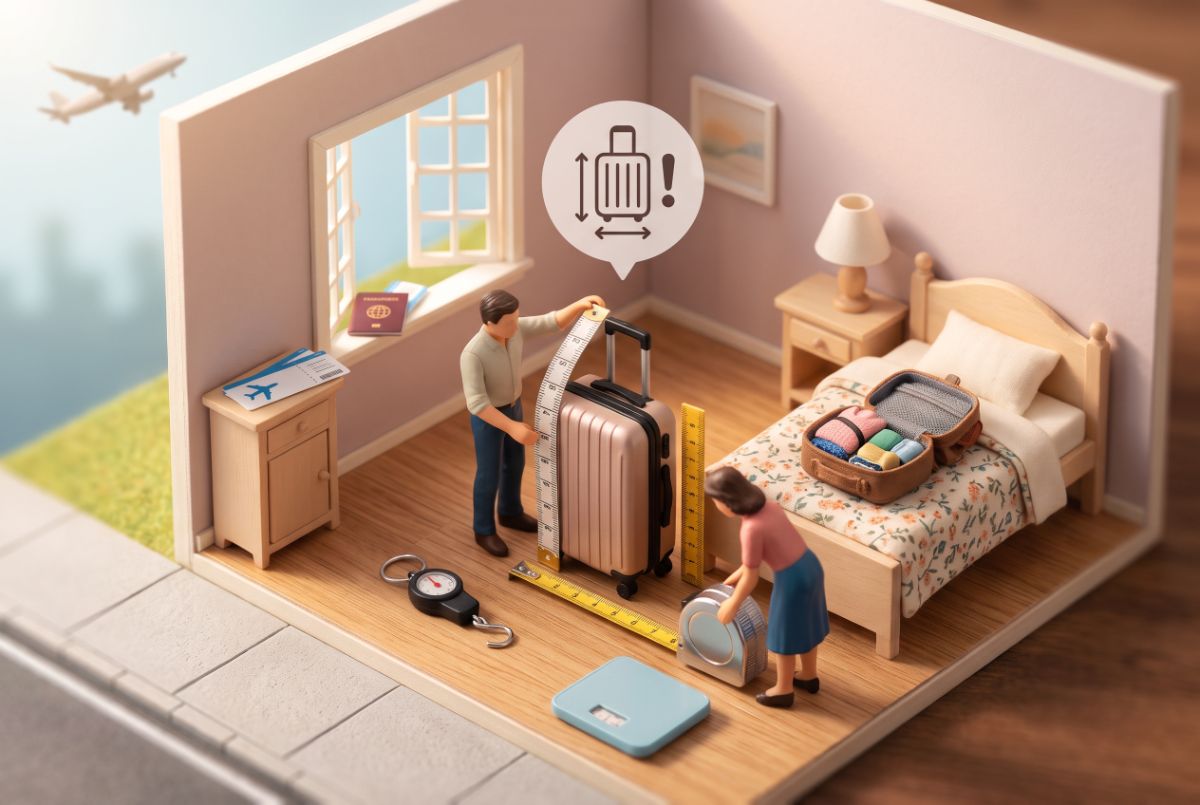
- Overbooked Domestic Flights & Strict Carry-On Checks: Because flights run 100% full, gate agents rigorously enforce carry-on size and weight rules (10–12 kg / 55 x 35 x 25 cm) and frequently require mandatory gate-checking of overhead roller bags. Keep all electronics, medications, and valuables in your under-seat personal item.
2. Surge Pricing & Street Closures: Airport-to-Hotel Ground Logistics
Getting out of the airport during major Brazilian festivals involves more than just distance—you are navigating municipal traffic lockdowns:
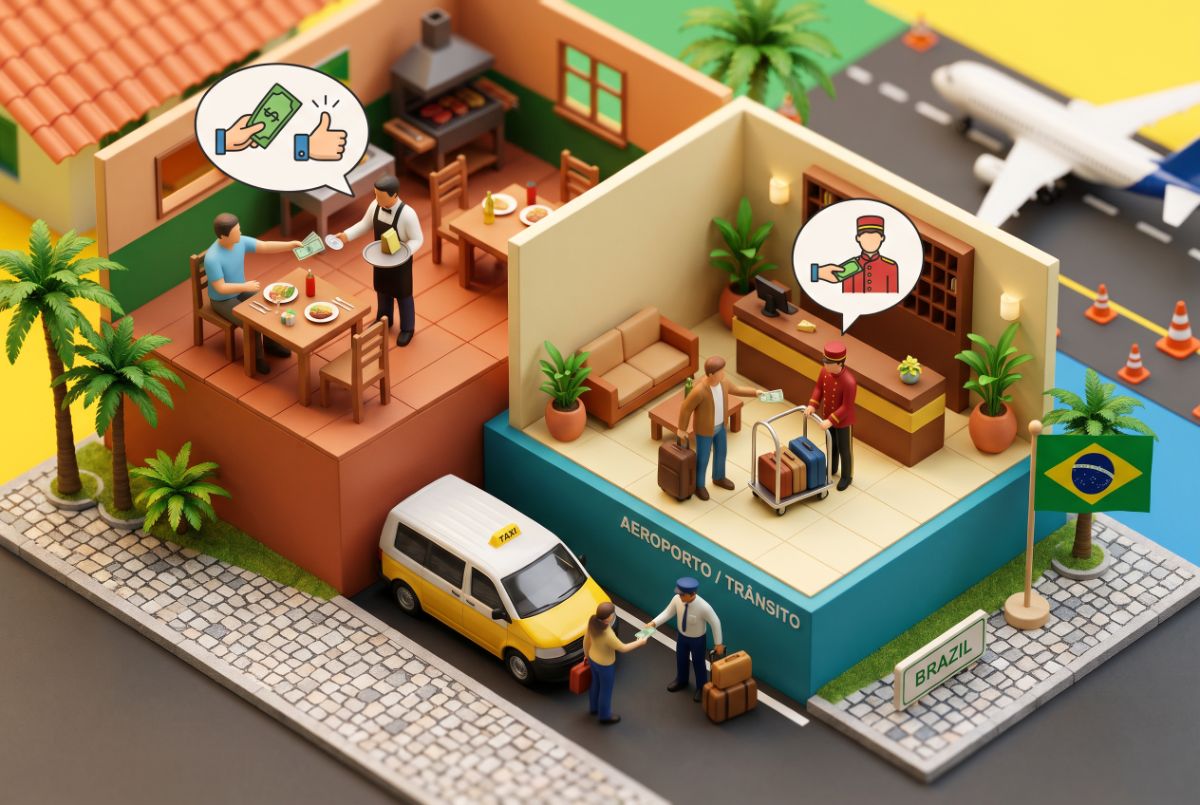
- Why Pre-Booked Transfers Beat Uber During Festivals: On December 31 or Carnival weekend, Uber and 99 algorithms apply steep dynamic multipliers while drivers avoid congested beach zones. Pre-booking a fixed-price private transfer (or purchasing a voucher at the official prepaid airport taxi desk inside arrivals) locks in a guaranteed rate and bypasses app cancellation loops.
- Rio de Janeiro (Copacabana & Ipanema Barricades):
- On New Year’s Eve (December 31), Rio city authorities shut down Avenida Atlântica and surrounding streets in Copacabana to private vehicles and rideshares starting in the afternoon (and completely by evening). Only licensed Rio yellow taxis with special municipal permits—or pedestrians—may cross police checkpoints.
- During Carnival, massive street parades (megablocos) routinely close Downtown (Centro), Flamengo, Copacabana, and Ipanema roads from 07:00 AM through late afternoon. Check with your hotel concierge 48 hours prior for the nearest permitted drop-off street.
- Salvador (Barra-Ondina & Campo Grande Circuits): Salvador’s Carnival transforms major coastal avenues into fenced parade circuits. Hotels located inside the Barra or Ondina circuits require guests to present printed hotel reservations at police checkpoints—and cars cannot reach front doors once parades begin.
- Recife / Olinda (SSA & REC): Historic Olinda closes entirely to vehicular traffic during Carnival days; drivers drop visitors at perimeter shuttle hubs.
3. Essential Street & Digital Safety Tips for Carnival & New Year’s
Brazil is warm, welcoming, and vibrant, but massive holiday crowds attract opportunistic pickpockets and payment scammers. Adopting basic “street smarts” keeps you completely trouble-free:
- Protect Your Smartphone in Street Crowds (The #1 Target):
- Opportunistic phone snatching (furto de celular) is the most common crime during crowded street blocos and Copacabana fireworks. Never walk down the street holding an unlocked phone in your hand, and never place a phone or wallet in loose back pockets or unbuttoned shorts.
- Wear an under-shirt hidden money belt (doleira) tucked inside your waistband for your phone, physical credit card, cash, and a photocopy of your passport (leave your original passport locked inside your hotel room safe).
- Digital Lockdown Before Leaving Your Hotel: Enable biometric locks on banking apps, set low daily transfer limits, and disable lock-screen notification previews so thieves cannot read SMS two-factor authentication codes if a phone is stolen.
- Card Skimming & Contactless Scams at Street Vendors:
- Tap-to-pay (aproximação / Apple Pay / Google Pay) is accepted almost everywhere in Brazil, even by beach coconut vendors. However, in noisy crowds, scammers sometimes enter an extra zero on the payment terminal (charging R$ 500 instead of R$ 50).
- Always look directly at the terminal screen to verify the exact amount in BRL before tapping your card, never hand your physical card out of sight, and disable contactless payments above R$ 100 in your banking app if possible.
- Drink Safety & Hydration in Peak Heat:
- Summer temperatures in Rio, Salvador, and Recife routinely hit 32°C to 38°C (90°F to 100°F) with high humidity. Alternate alcoholic drinks with bottled water or coconut water, and never accept open drinks from strangers in crowded street parties.
Essential Brazil Festival Arrival Street Smarts
Bring a Cheap “Burner” Backup Phone If Attending Street Blocos: Many seasoned travelers and locals carry an older secondary smartphone loaded only with Uber, WhatsApp, and a digital travel card (Wise/Revolut) loaded with $100–$150 USD when heading out to Copacabana on New Year’s Eve or street Carnival parades—leaving their primary iPhone/Samsung with primary banking apps and cloud accounts safely locked in the hotel safe.
Carry Small Cash Bills (R$ 10, R$ 20, R$ 50) for Beach & Street Purchases: While card machines are ubiquitous, cellular networks frequently overload and drop signal when two million people gather on Copacabana Beach or in Olinda. Carrying R$ 150 to R$ 250 in small Brazilian Real banknotes inside your hidden money belt ensures you can always buy water, food, or a licensed street cab even when card terminals lose 4G/5G connectivity.
Authoritative Brazilian Airport, Visa & Safety Portals
Verify live flight arrivals, entry visa requirements, and official municipal festival advisories through government channels:
- Check entry visa requirements (including eVisa portals for eligible nationalities) via the Ministry of Foreign Affairs of Brazil (Consular Visa Portal).
- Verify live terminal arrivals and prepaid taxi services at Rio de Janeiro on RIOgaleão – Tom Jobim International Airport (GIG).
- Check international arrivals and domestic terminal transfers in São Paulo via GRU Airport – São Paulo International Airport.
- Review official municipal Carnival schedules, street closure maps, and tourist police contacts via Visit Rio (Official Rio de Janeiro Tourism Portal).

Post Comment