
How to Avoid Arriving Tired and Lost on Your First Day of Travel [2026 Guide]
The first day of an international trip is often the most anticipated moment after months of planning, flight tracking, and packing. Yet for countless travelers, stepping off a long-haul flight into a completely new time zone uncovers an uncomfortable gap between romanticized itinerary dreams and biological reality. Dry eyes, brain fog induced by circadian misalignment (jet lag), irregular hunger cues, and the sudden disorientation of navigating transit signage in a foreign language can quickly turn your arrival hours into an overwhelming test of endurance.
The most common miscalculation ambitious travelers make is attempting to maximize their vacation investment immediately by scheduling packed sightseeing agendas, high-stakes museum bookings, or elaborate dinners on the afternoon they land. When your cognitive energy drops, trivial frictions—such as missing a subway transfer, facing a long hotel check-in queue, or struggling with cellular roaming—feel magnified into genuine crises. Landing composed, refreshed, and oriented is never a matter of luck; it is the direct outcome of smart logistical pacing and energy management. This strategic 2026 arrival guide outlines actionable protocols to safeguard your arrival, prevent burnout, and turn your first 24 hours into a seamless, stress-free foundation for the rest of your journey.
First Day of Travel: Typical Mistakes vs. Strategic Habits
Compare the arrival habits that drain international travelers with the proven frameworks that preserve stamina and mental clarity:
| Critical Element | The Common Mistake (Exhaustion & Stress) | The Strategic Approach (Control & Rest) | Trip Impact |
|---|---|---|---|
| Day 1 Itinerary | Booking non-refundable, timed-entry major attractions right after landing. | Treating Day 1 strictly as an “Adaptation Day” with zero rigid schedules. | Eliminates financial loss and panic caused by unexpected immigration or baggage delays. |
| Airport Transit | Deciphering complex local bus networks with multiple transfers and 23 kg bags. | Selecting the lowest-friction route: direct express train or pre-arranged vehicle. | Preserves precious cognitive bandwidth and physical strength upon arrival. |
| Jet Lag Protocol | Crashing into bed for an unmonitored 4-hour afternoon nap in a dark room. | Natural sunlight exposure, outdoor walking, and pushing sleep to 9:30 PM local time. | Resets your circadian rhythm within 24 hours instead of lingering for days. |
| Luggage & Check-In | Wandering public streets dragging heavy rolling bags waiting for room access. | Dropping bags immediately with hotel storage; freshening up before heading out. | Provides instant physical mobility and avoids telegraphing tourist vulnerability. |
1. The “Day Zero” Rule: Zero Rigid Commitments
The foundational mindset shift for seasoned travelers is treating the arrival date not as “Day 1 of Touring,” but as Day Zero of Acclimatization.
When drafting your vacation schedule, resist the urge to book high-value, timed-entry tickets (such as the Louvre, Vatican Museums, or observation decks) or reservations at celebrated fine-dining establishments on your arrival afternoon. Normal operational frictions—a 90-minute passport control queue, delayed luggage delivery, or highway gridlock—will instantly turn your first hours into an anxious race against the clock. More importantly, attempting to appreciate monumental art or historic architecture while battling heavy eyelid fatigue severely diminishes the experience.
Your primary mission on Day Zero consists of modest, low-stress milestones: checking your luggage at your hotel, establishing reliable local mobile connectivity, getting your bearings, and enjoying an unstructured neighborhood walk.
2. The Low-Friction Transit Rule: Save Your Brain for Later
After enduring 10 to 15 hours across aircraft cabins, transfer terminals, and security lines, your executive cognitive function is compromised. Forcing yourself to decode unfamiliar public bus lines, deal with cash-only ticket dispensers without small bills, or haul two 50-pound suitcases up and down subway stairs to save $5 is a false economy that invites exhaustion and arguments.
- Map Your Ground Route in Advance: Never step onto the tarmac without knowing your exact arrival transit method. Determine beforehand whether the airport features a dedicated, direct express rail line into a central hub (like London’s Heathrow Express or Tokyo’s Keisei Skyliner) or whether an app-based rideshare (Uber, Bolt, FreeNow) provides an affordable, door-to-door flat fare.
- The Two-Transfer Benchmark: If your public transit journey from the airport terminal to your hotel doorstep demands more than two transfers on foot, opt for an official curbside taxi or app ride upon arrival. Save mastering the municipal public bus and subway lines for the next morning, when you are rested, unburdened by heavy bags, and oriented to the street layout.
3. Mastering the Circadian Reset: Science-Backed Jet Lag Habits
The physical fatigue of crossing multiple time zones is biological. Your brain’s suprachiasmatic nucleus regulates internal melatonin synthesis based on light signals hitting the retina. Working with your biology instead of fighting it prevents prolonged disorientation.
- The Afternoon Nap Trap: Collapsing into a comfortable hotel bed at 2:00 PM for a “quick 30-minute nap” almost invariably turns into waking up disoriented at 8:30 PM with a headache, staying wide awake all night, and ruining your sleep schedule for the next three days.
- Harness Natural Sunlight and Light Movement: Once you drop your luggage at your accommodation, splash cold water on your face, put on comfortable walking shoes, and head outside. Ambient daylight sends immediate physiological signals to your brain that it is daytime, suppressing daytime melatonin production. Take an unhurried walk through local parks, pedestrian squares, or open-air markets.
- The 9:30 PM Finish Line: Eat a light dinner around 7:00 PM, hydrate thoroughly, and push yourself to stay awake until at least 9:30 PM or 10:00 PM local time. Going to sleep at that hour allows you to log a full, restorative 8-hour sleep cycle, waking naturally in sync with the local morning rhythm.
4. Managing Early Arrival: What to Do Before Room Check-In
Most long-haul intercontinental flights land during early morning hours, whereas standard hospitality check-in across the globe typically starts between 2:00 PM and 4:00 PM.
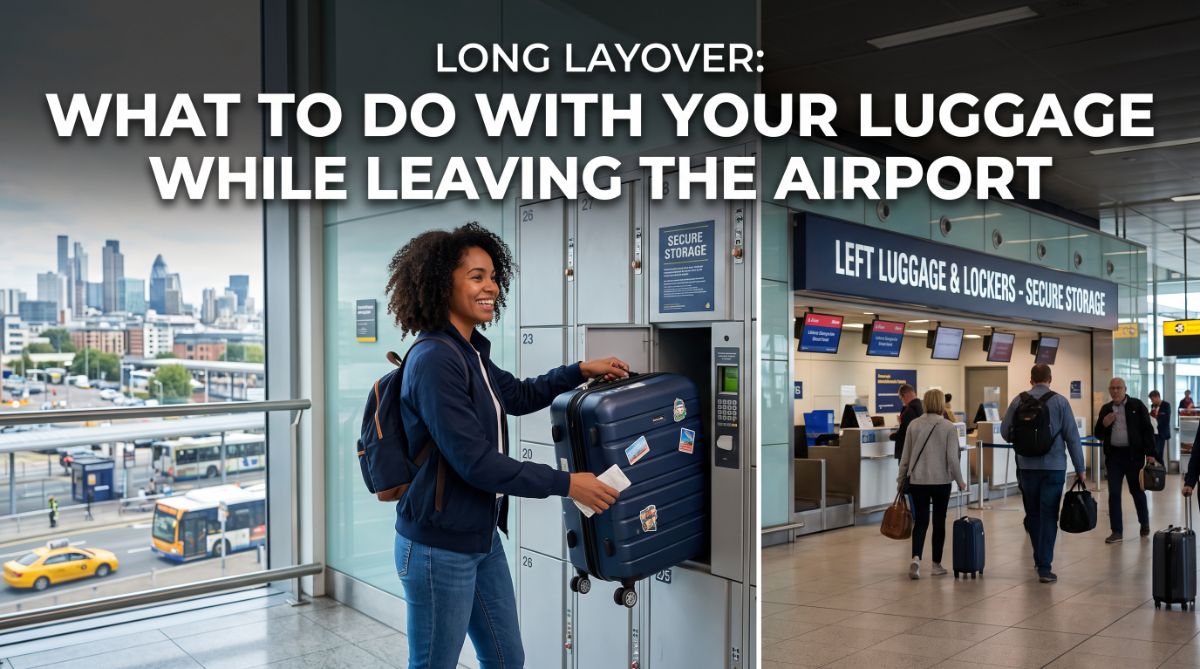
- Utilize Free Hotel Luggage Storage: Virtually every hotel, guesthouse, and reputable hostel provides complimentary luggage hold (luggage storage / consigne) for registered guests arriving before their room is ready. Never wander around town pulling rolling suitcases over cobblestones. Hand your bags to the front desk, collect your baggage claim claim checks, and walk out unencumbered with just a light daypack.
- Pack an “Arrival Refreshment Kit” in Your Carry-On: Keep a change of clothes, fresh socks, travel-sized deodorant, face wipes, and a toothbrush accessible at the top of your personal backpack. Use the hotel lobby restroom to wash up and change out of your stale airplane clothes before stepping out for your initial stroll. This quick routine reliably resets your mental energy.
5. The 500-Meter Reconnaissance Walk
Rather than traversing the entire metropolis right away, spend your first afternoon exploring a 500-meter (roughly 5-block) radius around your lodging. This single habit pays massive dividends throughout your stay:
- Locate Essential Daily Amenities: Find the nearest local supermarket or convenience store (such as 7-Eleven, Lawson, Carrefour Express, or a regional grocer) to purchase large bottles of drinking water, healthy snacks, and fresh fruit for your room mini-fridge, bypassing expensive hotel room service.
- Scout Your Morning Transit Hub: Locate the physical entrance of the metro station, tram stop, or bus terminal you plan to use the next day. Note elevator locations, observe how locals tap their transit cards, and purchase transit passes at ticket machines at your leisure, well away from the morning rush-hour crowds.
Essential First-Arrival Street Smarts
Avoid Heavy Alcohol and Refined Sugar on Day 1: While celebrating your arrival with craft cocktails or indulging in heavy carb-loaded meals feels rewarding, alcohol significantly compounds the dehydration caused by dry cabin air and fragments deep REM sleep stages. Prioritize clean proteins, electrolyte-rich fluids, and ample water throughout your first 24 hours.
Always Set a Morning Alarm: No matter how exhausted you feel when your head hits the pillow at 10:00 PM on night one, set an alarm for 7:30 AM or 8:00 AM the next morning. Left unprompted, an exhausted body can sleep for 14 straight hours, waking at 1:00 PM and restarting the jet lag cycle all over again.
Authoritative Health & Travel Well-Being Resources
Review clinically backed guidelines regarding sleep architecture, circadian rhythm alignment, and travel health:
- Review health recommendations on circadian adjustment and jet lag via the CDC Travelers’ Health Official Guidelines.
- Explore international guidance on travel wellness and hydration through the World Health Organization (WHO) Travel Advice.
- Access travel preparation and wellness insights on the U.S. Department of State International Travel Resources.

Post Comment