Do You Have to Go Through Security Again on a Connecting Flight? [2026 Guide]
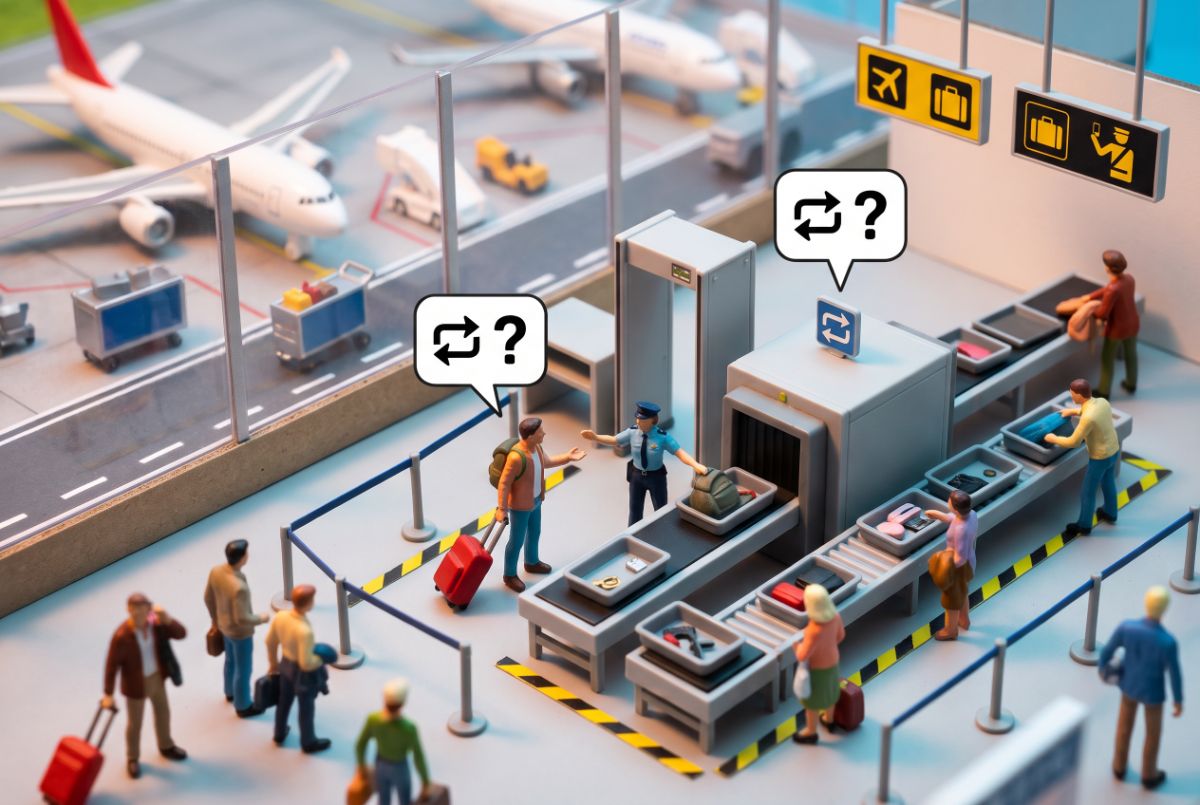
You survived the departure security line at your origin airport: you removed your shoes, unbuckled your belt, slid your laptop into a plastic bin, walked through the full-body scanner, and safely boarded your plane. Hours later, you touch down at your layover airport to switch flights. But as you follow the overhead transit signs marked “Flight Connections”, you run straight into an unwelcome obstacle: another security checkpoint packed with metal detectors, X-ray conveyor belts, and agents inspecting carry-on bags. The immediate thought running through your mind is: “Why on earth do I have to clear airport security again if I just stepped off a safe commercial aircraft?”
This is one of the most frustrating surprises for both novice and experienced air travelers. The intuitive assumption that “once you are inside the secure sterile area, you stay inside” does not universally apply across international aviation. Whether you must endure a second screening depends entirely on national aviation sovereignty, terminal terminal layout, and bilateral One-Stop Security agreements. Beyond burning precious minutes during tight layovers, an unexpected security checkpoint can hit your wallet: duty-free bottles of wine, spirits, and perfumes purchased at your origin airport risk immediate confiscation if packed improperly. This comprehensive 2026 aviation guide breaks down TSA, ICAO, and European security mandates, details the rules for transit liquids, and keeps you moving smoothly to your connecting gate.
Security Rescreening on Layovers: When Is It Mandatory?
Compare rescreening requirements, liquid restrictions, and regulatory reasons across common itinerary types:
| Itinerary / Connection Type | Must You Clear Security Again? | Risk to Duty-Free Liquids | Regulatory Cause | Operational Verdict |
|---|---|---|---|---|
| Pure Domestic Connection (US, Brazil, Australia) | Rarely (No) | Zero risk | Inbound passengers disembark directly into the sterile departure concourse. | Clear Path. Step off the jet bridge and walk straight to your onward gate. |
| International Inbound Connecting in the US | Yes, 100% Mandatory | Critical (TSA 3-1-1 enforced) | Federal law mandates full TSA rescreening after border customs inspection. | Clear passport control, collect baggage, re-check bags, and clear TSA security. |
| Non-EU Inbound Connecting into Schengen (EU) | Yes (Standard) | Moderate (Requires official STEB seal) | EU civil aviation standards require screening all inbound non-EU passengers. | Clear Schengen passport immigration, then transit security before domestic EU gates. |
| One-Stop Security (OSS) Corridors | Exempt (No) | Zero risk | Mutual recognition of screening standards between partner nations. | Common within the EU (e.g., Rome to Amsterdam via Paris CDG). Walk straight through. |
| Terminal Change Requiring Landside Transit | Yes, Mandatory | High | Exiting into public landside areas breaks sterile airside custody. | If you take a public bus or train between disconnected terminals, you clear standard security again. |
| Decentralized Gate Security (e.g., Singapore Changi) | Yes (At Gate Lounge) | Critical for open drinks | Security checkpoints are built at individual gate holding pens, not central lobbies. | X-ray scan occurs right as you step into the departure waiting room. |
1. Why Aviation Security Screening Repeats Itself
Rescreening passengers during connections is driven by two foundational principles of international civil aviation security:
- Regulatory Sovereignty: Every sovereign government establishes its own technical detection benchmarks. The United States Transportation Security Administration (TSA) or the European Union Aviation Safety Agency (EASA) do not legally outsource national airspace protection to foreign screening checkpoints. To border authorities, any passenger arriving from another country is considered “unscreened under local standards” until they clear that jurisdiction’s own equipment.
- Mixed Sterile and Non-Sterile Traffic: In older or hybrid airport terminals, arriving international passengers disembark through corridors where they could cross paths with unvetted travelers or airport staff with street access. To eliminate the risk of contraband or prohibited items being passed along the way, airports channel transiting passengers through a sterile central security filter before permitting entry to departure gates.
2. One-Stop Security (OSS): The Frictionless Exception
The best layover experience occurs under an internationally recognized framework known as One-Stop Security (OSS):
- OSS represents bilateral or multilateral treaties where participating nations audit and mutually recognize each other’s screening technology, passenger vetting, and equipment calibration as fully equivalent.
- Where It Works: Primarily within the European Union and Schengen Area. If you fly from Madrid to Munich with a connection in Frankfurt, you step off the plane into the departure concourse and walk directly to your next gate without seeing an X-ray belt or body scanner. The EU also maintains selective OSS equivalence pacts with countries like the United States, the UK, and Canada for specific transfer streams.
3. The Duty-Free Liquid Trap: How Travelers Lose Expensive Purchases
The most expensive casualty of a transit security checkpoint is confiscated alcohol, fragrance, and cosmetic purchases picked up at the origin airport’s duty-free shop:
- The 100 ml (3.4 oz) Rule Re-Engages: When you hit a transit security checkpoint, standard carry-on liquid limits apply strictly. If you have an unsealed 750 ml bottle of single malt scotch or high-end olive oil in your backpack, security officers will confiscate and discard it immediately.
- The Lifesaver: The Official STEB Seal: For duty-free liquids exceeding 100 ml to pass a transit checkpoint, they must be packaged in an authorized Security Tamper-Evident Bag (STEB). This transparent plastic bag features a red tamper-proof adhesive strip and contains the printed purchase receipt visible inside the bag, dated that same calendar day.
- What to Tell the Duty-Free Cashier: When checking out at any airport retail counter before an itinerary with connections, always state clearly: “I have a connecting flight in [Airport X].” The cashier is trained to heat-seal your bottles into an official STEB. Never tear or open this sealed bag until you reach your ultimate final destination; any broken seal guarantees immediate confiscation at the transit checkpoint.
4. Decentralized Gate Security: The Singapore Changi Model
Certain major world gateways utilize an architectural layout known as decentralized gate screening rather than a single massive central security hall:
- The Changi Airport (SIN) Protocol: In Terminals 1, 2, and 3 at Singapore Changi, arriving and departing passengers mingle freely throughout concourses, botanical gardens, and dining halls without passing a central X-ray lane. Instead, metal detectors and carry-on baggage scanners are situated at the entrance of each individual gate holding pen.
- The Takeaway Drink Trap: Under this model, any bottled water, iced latte, or takeaway beverage purchased at terminal cafes cannot be brought into the gate holding area unless consumed before stepping through the gate door scanner. Fortunately, sanitized drinking water fountains are located inside the boarding lounges past the gate X-ray.
5. Surviving Tight Connections with Rescreening
If your itinerary features a tight connection window (between 45 and 75 minutes) and requires clearing a transit security checkpoint, execute these tactical steps:
- Notify Cabin Crew Before Landing: Inform flight attendants that you face a tight international connection. On many long-haul carriers, purser teams prioritize letting tight-transit passengers off the aircraft in the earliest disembarkation bank.
- Use the Dedicated Express / Short Connection Line: Major transit hubs (such as London Heathrow, Frankfurt, and Paris CDG) operate a dedicated priority security lane marked “Tight Connections / Fast Track”. Show your boarding pass displaying an imminent departure time to the queue marshal to bypass the main line.
- Stage Your Bag in the Aircraft Seat: Before your plane begins its final descent, pack your electronics (laptops, e-readers) and your clear bag of liquid toiletries in an easily accessible front pocket. Arriving at the transit security conveyor belt with everything pre-organized saves vital minutes.
Essential Transit Security Street Smarts
Connecting in the US? Pack Duty-Free into Checked Bags: Because entering the US requires you to claim your checked suitcases off the baggage carousel to clear customs before domestic connections, pack any duty-free liquor or liquid cosmetics directly into your checked bag before dropping it onto the Connecting Flights / Baggage Re-Check belt. If you attempt to carry large liquid bottles through the domestic TSA checkpoint on your way to the next gate, TSA will confiscate them regardless of STEB wrapping.
Inter-Terminal Shuttles Can Break Sterile Custody: When connecting across large multi-terminal gateways (such as New York JFK or London Gatwick), pay attention to transfer signage. If transfer between terminals requires taking an unvetted public train or street shuttle rather than an airside bus, you exit the sterile perimeter and must pass full security screening upon entering the next building.
Authoritative Aviation Security Resources
Review official international security screening rules and liquid transport guidelines through authorized regulatory channels:
- Review the official 3-1-1 liquids rule and transit screening guidelines at the Transportation Security Administration (TSA Official Portal).
- Check European Union civil aviation security rules and STEB liquid bag policies via the European Commission Aviation Security (DG MOVE).
- Consult global passenger facilitation and One-Stop Security frameworks on the International Air Transport Association (IATA).
- Review terminal transit procedures and security maps via the London Heathrow Airport Flight Connections Guide.


Post Comment