Is Brazil Safe for First-Time Visitors? Practical Arrival Tips
Few countries captivate the imagination like Brazil. With its world-famous beaches, electrifying cultural scenes, lush rainforests, and welcoming people, it is a dream destination for millions of international travelers. However, for first-time visitors, that initial excitement is almost always accompanied by a lingering question: Is Brazil actually safe for tourists?
Sensationalized headlines and dramatic travel warnings often paint an exaggerated, one-dimensional picture of the country. While safety concerns are real and require conscious awareness, millions of international tourists explore Brazil every year without incident. Staying safe is not about traveling in fear—it is about understanding local dynamics, adopting street-smart habits, and avoiding classic rookie mistakes from the moment your plane touches down. This practical 2026 safety guide breaks down realistic risks, neighborhood awareness, and essential arrival tips to ensure your first journey to Brazil is secure and worry-free.
Safety by Context: Tourist Realities vs. Recommended Habits
A quick breakdown of common travel scenarios in Brazil and the exact practices to follow:
| Scenario / Location | Primary Risk Level | Common Risk Factor | Recommended Action / Rule |
|---|---|---|---|
| Airport Arrivals (GRU, GIG, BSB) | Low (Inside) / Moderate (Curbside) | Unlicensed drivers, distraction theft. | Use official rideshare pickup zones or prepaid taxi counters inside. |
| Busy Urban Streets & Sidewalks | Moderate | Phone snatching by cyclists or pedestrians. | Step inside shops or lobbies before checking maps on your smartphone. |
| Beaches During Daylight (Copacabana, Ipanema) | Low to Moderate | Opportunistic bag snatching while swimming. | Take only a towel, sunscreen, and a single card; never leave items unattended. |
| Beaches & Parks at Night | High | Muggings in deserted, unlit areas. | Avoid walking on the dark sand at night; stick to lit promenade sidewalks. |
| Public Transit (Metrô) | Low | Pickpocketing in packed train cars. | Keep backpacks on your front and keep pockets zipped during rush hours. |
Understanding Safety in Brazil: Context Is Everything
1. The Difference Between Violent Crime and Opportunistic Theft
Most travelers’ fears stem from statistics on violent crime. However, the vast majority of violent incidents in Brazil are concentrated in specific peripheral communities and conflicts between organized groups, far removed from tourist corridors.
- What Tourists Actually Face: The primary risk for international visitors is petty opportunistic crime—specifically smartphone snatching, pickpocketing in crowded markets, and card skimming.
- The Core Rule: Opportunistic thieves look for easy targets: distracted people walking with high-end phones in their hands, visible gold chains, or bags left unattended on cafe chairs. Removing the opportunity dramatically lowers your risk.
2. The “No Ostentation” Wardrobe Rule
Brazilians are generally very casual dressers, especially in coastal cities like Rio de Janeiro, Salvador, and Florianópolis. Dressing up like an obvious luxury tourist makes you stand out immediately.
- Leave Valuables at Home: Do not wear expensive watches (such as Apple Watches or Rolexes), gold jewelry, or high-end designer sunglasses while walking in city centers.
- Dress Like a Local: Simple t-shirts, cotton or linen shorts, sundresses, and standard sneakers or flip-flops (Havaianas) are the norm everywhere and help you blend into the crowd effortlessly.
Arrival Safety: Your First Hours on the Ground
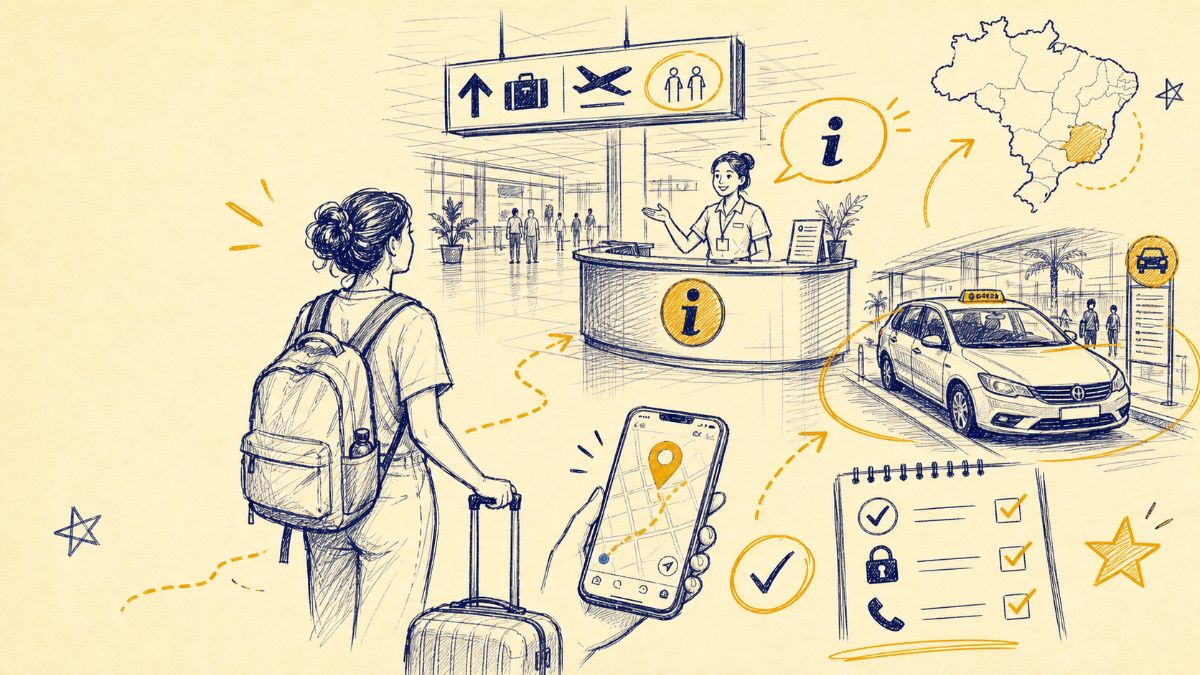
3. Securing Reliable Airport Transport
Your vulnerability is highest right after landing when fatigue impairs your situational awareness. Handle ground transit with a structured approach:
- Ignore Slobby Solicitations: Never accept rides from individuals approaching you in the arrivals hall asking if you need a taxi or Uber. Official rideshare drivers are strictly barred from soliciting on foot inside terminals.
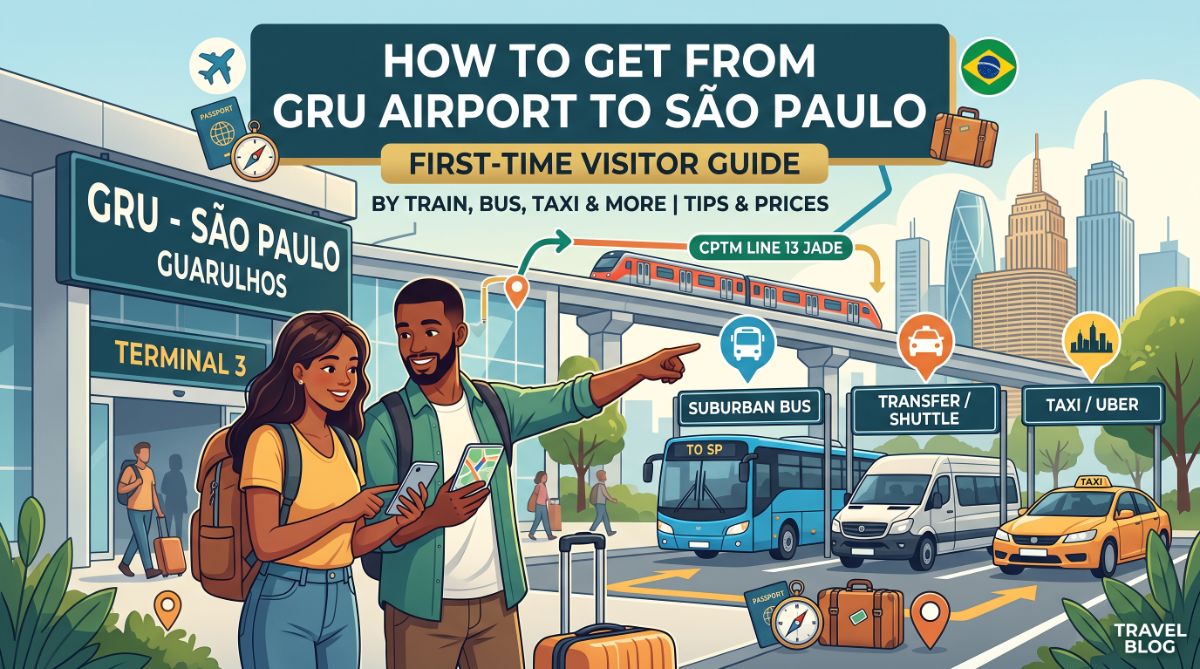
- Use Official Rideshare Zones: Order your car via Uber or 99 directly in the app. Walk to the marked, well-lit rideshare hubs (such as Praça Pick Up at São Paulo GRU or the departures curb at Rio GIG). Verify the vehicle’s license plate and driver photo before getting in.
- Prepaid Taxi Desks: If you prefer not to use an app, buy a fixed-rate taxi voucher at an authorized desk inside the terminal lobby (e.g., Guarucoop at GRU or Cootramo at GIG) before exiting through the sliding doors.
4. Smartphone Street Smarts
Smartphones are high-value targets worldwide, and Brazilian cities are no exception. A few disciplined phone habits will keep yours safe:
- The “Step-Inside” Habit: Never walk down busy streets staring at Google Maps or holding your phone loosely at waist height. If you need to navigate, translate, or hail a ride, step inside a pharmacy, cafe, store, or hotel entrance.
- Car Window Caution: When riding in a rideshare or taxi through heavy traffic or stopping at red lights, avoid scrolling on your phone next to an open window, as snatch-and-grab thefts from passing cyclists do happen. Keep windows rolled up at night.
Financial Safety: Payments and Cash
5. Digital Payments Beat Physical Cash
Brazil has one of the world’s most modern and cashless financial ecosystems. Embracing digital payments is both convenient and inherently safer than carrying stacks of banknotes.
- Contactless Cards & Wallets: Tap-to-pay via international cards (Wise, Revolut, standard Visa/Mastercard) and Apple/Google Pay is accepted everywhere—from fine restaurants to beach kiosks.
- ATMs: If you need cash, use automated teller machines located inside secure bank branches (such as Banco do Brasil, Bradesco, or Santander) during daylight hours. Never use standalone outdoor street ATMs after dark.
Golden Rules for First-Time Visitors
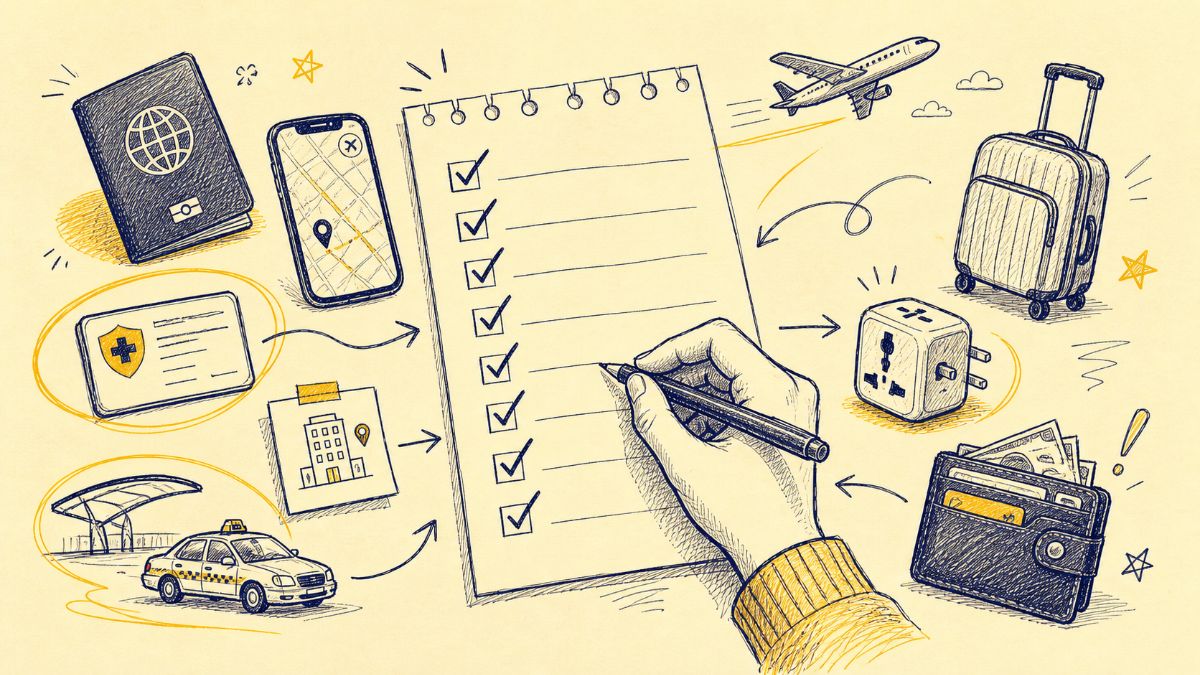
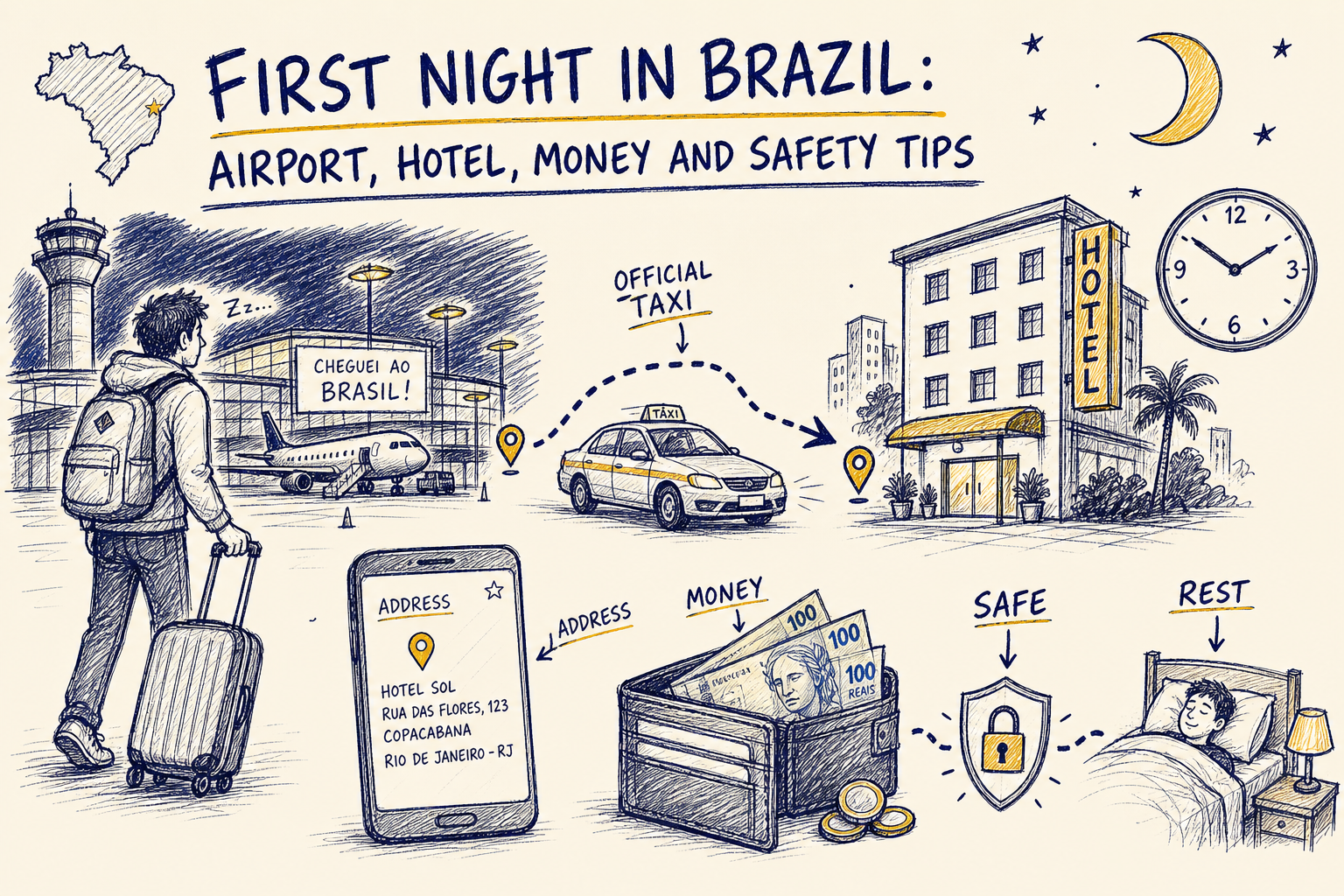
Use the In-Room Hotel Safe: Keep your physical passport, backup credit cards, extra cash, and laptop locked inside your hotel safe. For daily outings, carry only a photocopy or digital image of your passport ID page, one payment card, and modest cash (R$ 50 to R$ 100).
Never Resist in a Robbery: In the rare event that you encounter a mugging, never argue, fight back, or attempt to negotiate. Hand over your belongings immediately and calmly. Possessions can be replaced; personal safety cannot.
Official Resources & Safety Contacts
Save these essential emergency and tourism contacts before your trip to Brazil:
- In case of emergency in Brazil, dial 190 for Military Police (Polícia Militar) or 192 for Ambulance (SAMU).
- Check destination guides and safety recommendations on the Official Visit Brasil Tourism Portal.
- Review updated travel advisories and consular assistance at the U.S. Department of State Brazil Travel Advisory.
Post Comment