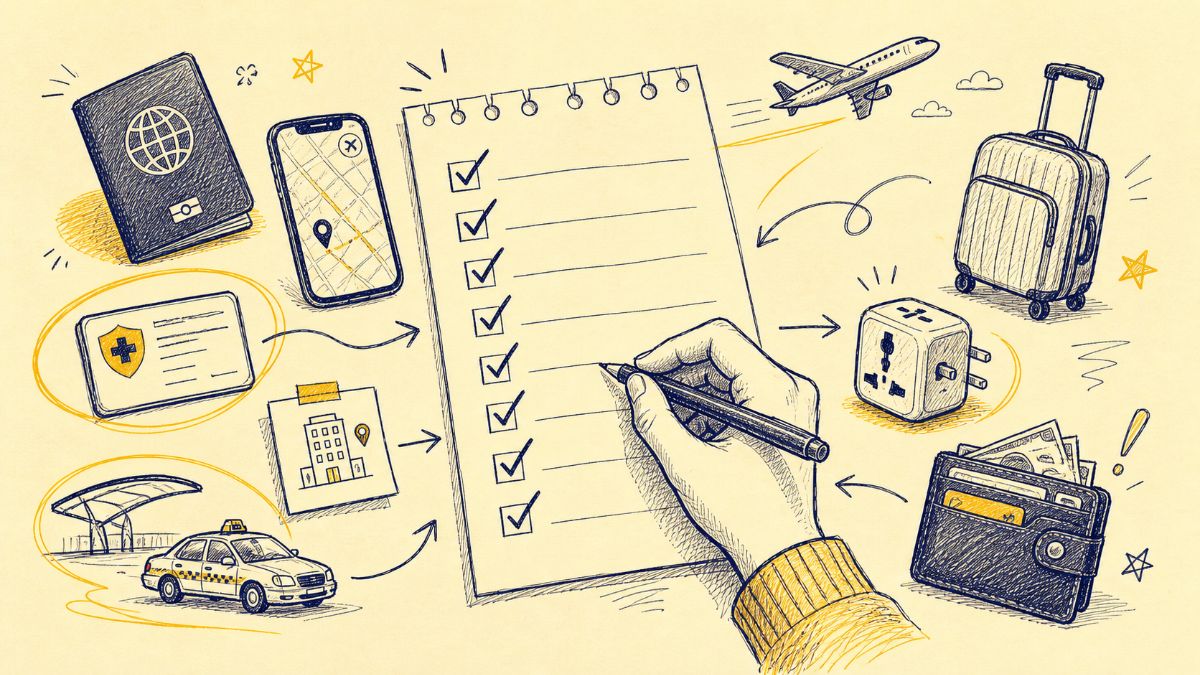
Brazil Travel Checklist for First-Time Visitors
Planning your first trip to Brazil is an exhilarating prospect. From the iconic silhouette of Christ the Redeemer and the golden shores of Ipanema to the awe-inspiring power of Iguaçu Falls and the biodiversity of the Amazon, Brazil offers unforgettable adventures. However, for first-time visitors, heading to South America’s largest nation can also trigger a fair amount of travel anxiety: navigating visa requirements, figuring out local payment systems, staying safe in major metropolises, and handling vast domestic distances.
The secret to a seamless Brazilian holiday lies in thorough pre-trip preparation. Overlooking simple details—such as plug adapters, required entry documents, digital payment apps, or transit protocols—can turn an exciting departure into unnecessary stress at airport customs or hotel lobbies. To help you travel with confidence and complete peace of mind, we have compiled the definitive 2026 travel checklist covering everything you must organize before and during your first journey to Brazil.
Brazil Trip Preparation: Phase-by-Phase Checklist
Track your essential tasks from initial booking down to your first 24 hours on the ground:
| Timeline | Category | Essential Action | Key Takeaway / Warning |
|---|---|---|---|
| 30–60 Days Prior | Visas & Passport | Check eVisa eligibility and ensure 6+ months passport validity. | US, Canadian, and Australian passport holders must verify current eVisa rules. |
| 15–30 Days Prior | Health & Immunization | Get Yellow Fever shot and issue digital vaccination proof. | Vaccine must be administered at least 10 days before departure. |
| 7–14 Days Prior | Money & Tech | Install eSIM, download Uber & 99 apps, set up travel debit card. | Brazil is heavily digital; contactless cards and mobile wallets work everywhere. |
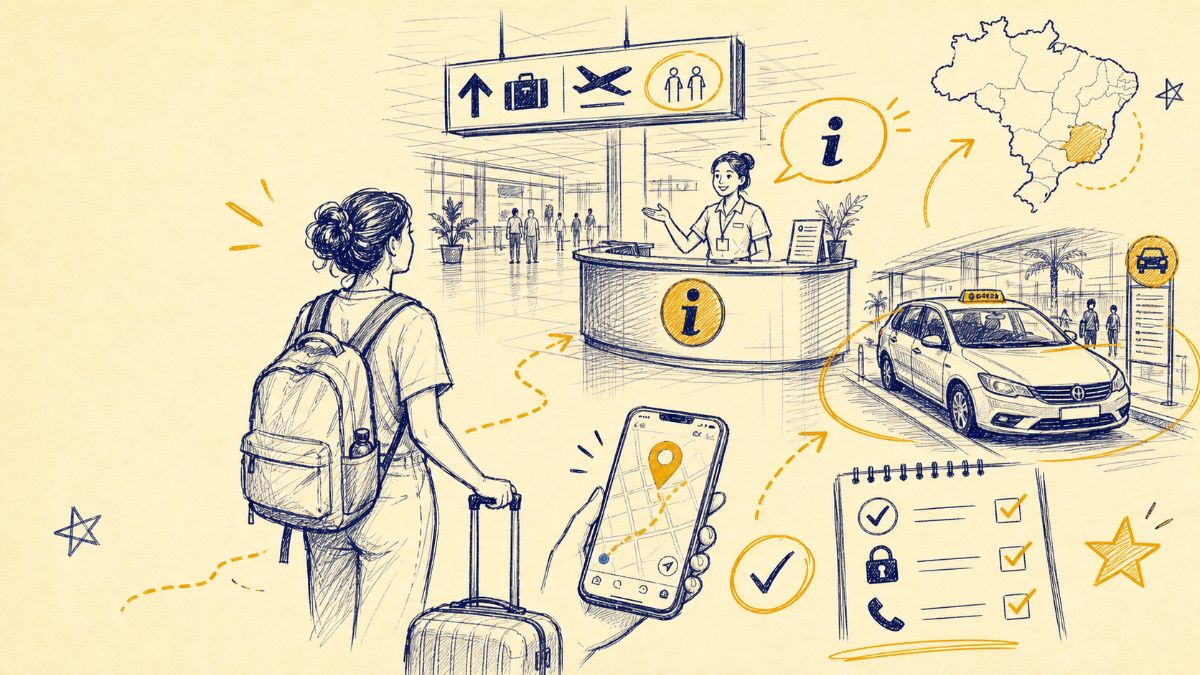
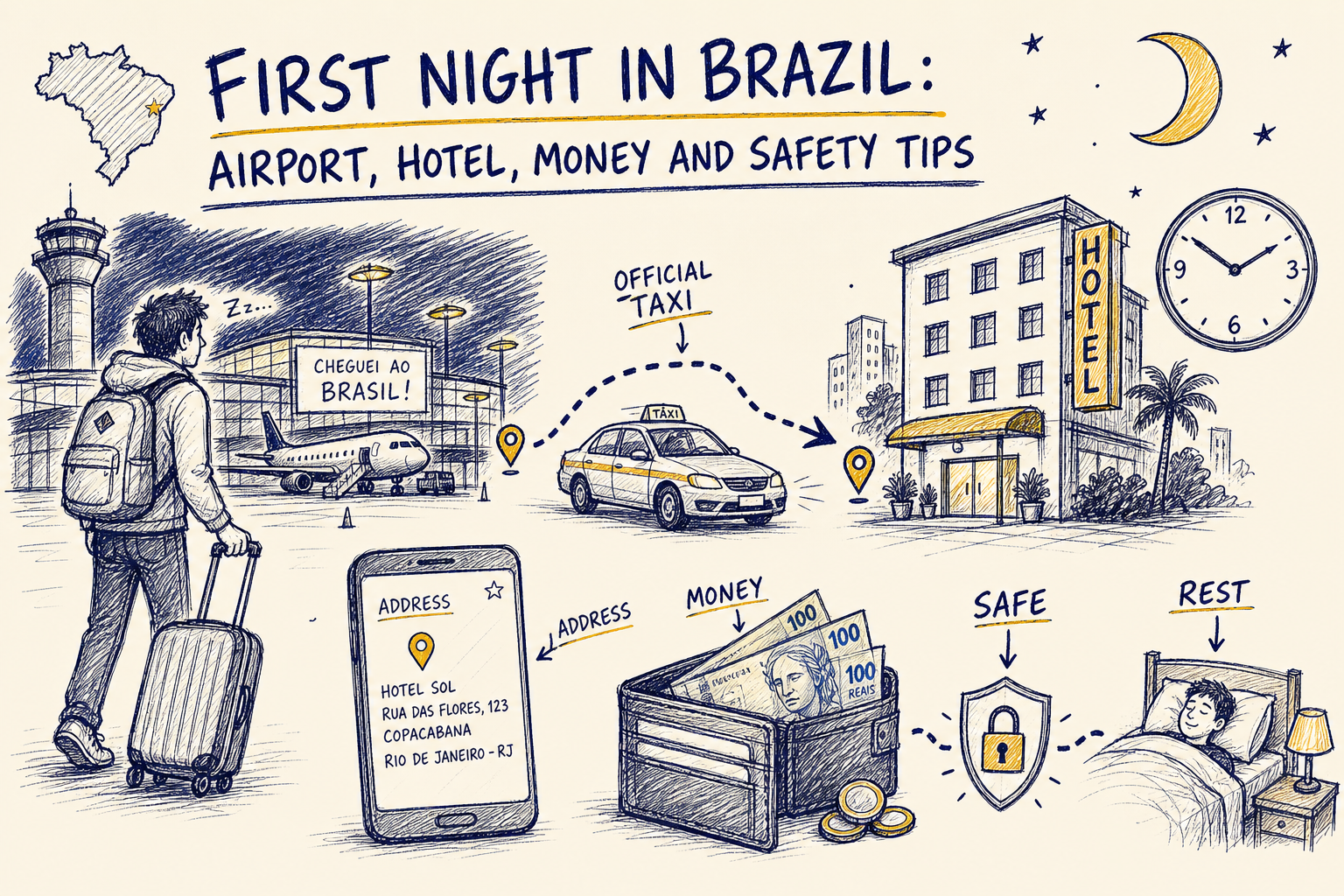
| Arrival Day (Day 1) | Safety & Logistics | Use official rideshare pickup zones and store passport in hotel safe. | Never accept unsolicited rides inside airport terminal lobbies. |
1. Entry Documentation & Health Essentials
Passport Validity and Visas
Entry regulations in Brazil require strict compliance upon boarding your international flight:
- 6-Month Passport Rule: Ensure your passport has at least six months of validity remaining beyond your intended date of departure from Brazil, along with at least two blank visa pages.
- Electronic Visas (eVisa): Citizens from countries such as the United States, Canada, and Australia must verify current electronic visa (eVisa) requirements before flying. Always apply exclusively through official government portals to avoid third-party agency surcharges.
- Yellow Fever Vaccination: While not mandatory for entering every region, the Yellow Fever vaccine is strongly recommended for travelers visiting the Amazon, Iguaçu Falls, Brasília, and rural ecological corridors. Take the shot at least 10 days before travel so the immunity certificate is valid.
2. Money & Digital Payments: How Cash Works in Brazil
The Cashless Society: Cards and Mobile Pay
Brazil boasts one of the most sophisticated digital banking infrastructures in the world. From high-end restaurants in São Paulo to beachside coconut vendors in Rio de Janeiro, virtually everyone accepts contactless card payments.
- Contactless Credit & Debit Cards: Carry multi-currency international travel cards (such as Wise or Revolut) as well as a backup traditional credit card. Visa and Mastercard enjoy near-universal acceptance.
- Apple Pay & Google Wallet: Tap-to-pay via smartphones or smartwatches is standard everywhere. Using your device or contactless card means you rarely need to handle physical banknotes.
- Avoid Changing Large Sums of Cash: Physical money exchange kiosks at international airports offer poor exchange rates. If you need Brazilian Reais (BRL) in cash, withdraw modest amounts from bank ATMs (e.g., Banco do Brasil or Bradesco) during daylight hours.
3. Connectivity & Essential Mobile Apps
Set Up Data Before Landing
Having continuous mobile internet upon arrival is vital for navigation, translation, and calling rides safely:
- eSIM (Recommended): Purchase an international eSIM profile prior to departure. Turn roaming on upon touchdown to connect instantly to major Brazilian networks (Vivo, Claro, or TIM) without hunting for airport kiosks.
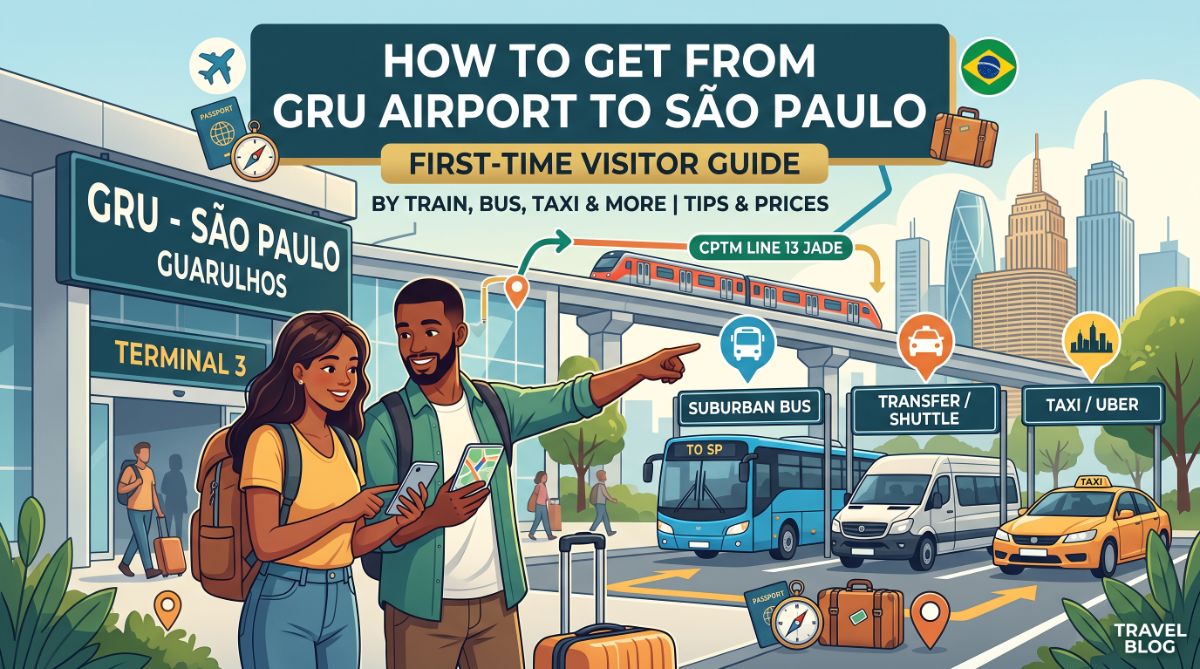
- Uber and 99 Apps: Uber operates reliably across all major Brazilian cities. Additionally, install 99 (Brazil’s popular local rideshare competitor), which often offers lower non-peak fares and lets you hail licensed yellow taxis that can use exclusive bus lanes in heavy traffic.
- WhatsApp: WhatsApp is the primary communication tool in Brazil for booking tours, confirming restaurant reservations, and contacting hotels. Set up your account before departing.
4. Packing Practicalities: Plugs, Clothing & Gear
Electrical Standards: The Type N Plug
Brazil uses a unique three-pin hexagonal plug standard (Type N), which also accepts standard European two-pin plugs (Type C). However, US flat-prong plugs require an adapter. Note that voltage varies across the country: Rio de Janeiro and São Paulo generally use 110V/127V, whereas Brasília, Salvador, and Recife operate on 220V. Check your electronics for dual-voltage capability (100–240V).
Wardrobe & Street Style
- Dress Casually and Comfortably: Brazilians dress relaxed and casually, especially in coastal cities. Breathable fabrics like linen and cotton are essential for tropical weather.
- Blend In: Leave expensive jewelry, luxury watches, and designer accessories at home. Dressing simply helps you blend in with the local flow and avoids drawing unnecessary attention on city streets.
First-Timer Street Smarts & Safety Rules
Use Your Phone Discreetly: Avoid walking along crowded urban sidewalks with your smartphone held loosely in hand. If you need to check Google Maps or order a rideshare, step inside a store, café, or hotel lobby.
Lock Away Valuables: Store your original physical passport, emergency cash, and reserve bank cards inside your hotel room safe. Carry only one card, digital copies of your IDs, and a small amount of cash for day-to-day outings.
Official Resources for Brazil Travelers
Consult official government portals for entry guidelines, consular notices, and visa regulations:
- Check official entry policies and consular information at the Brazilian Ministry of Foreign Affairs (Itamaraty).
- Review health recommendations and vaccination advisories on the CDC Travel Health Guidelines for Brazil.
- Explore regional attractions and destination guides at the Visit Brasil Official Tourism Portal.
Post Comment